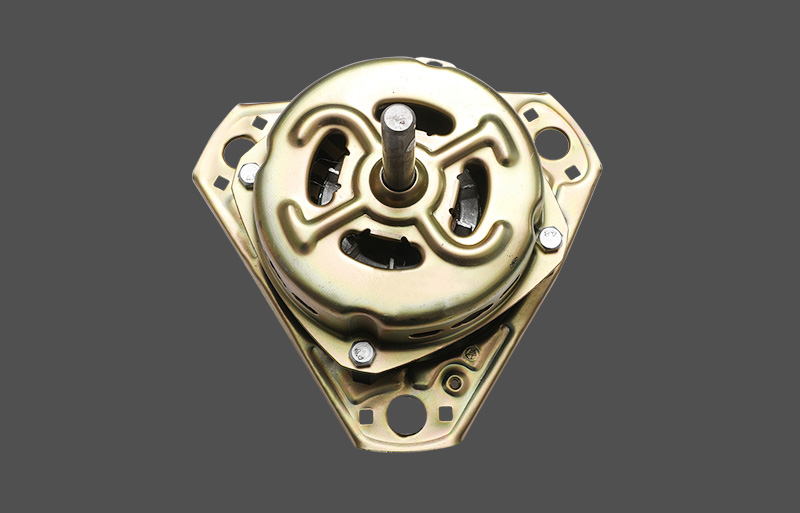
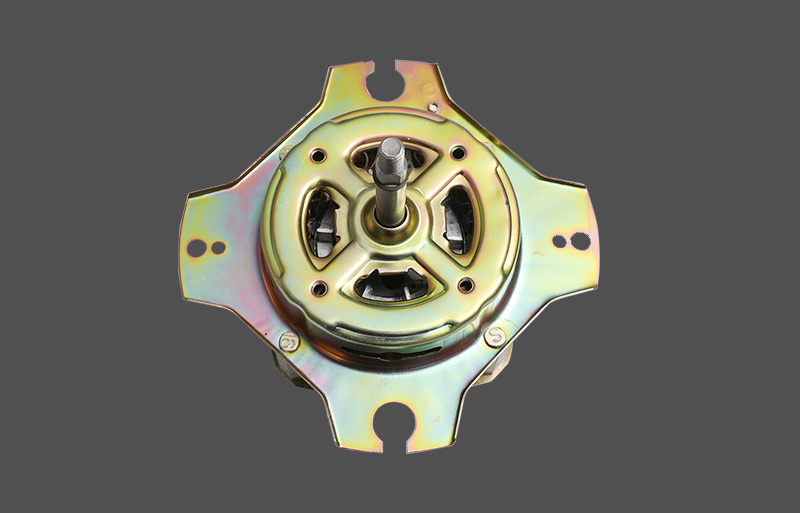
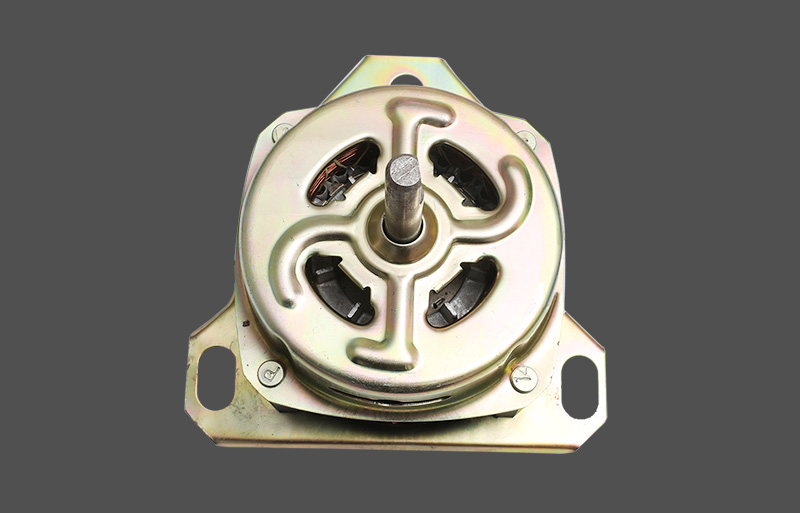
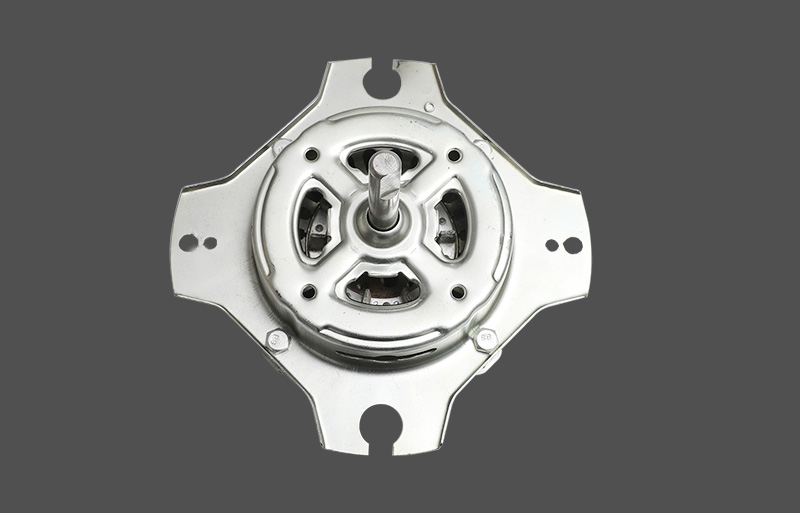
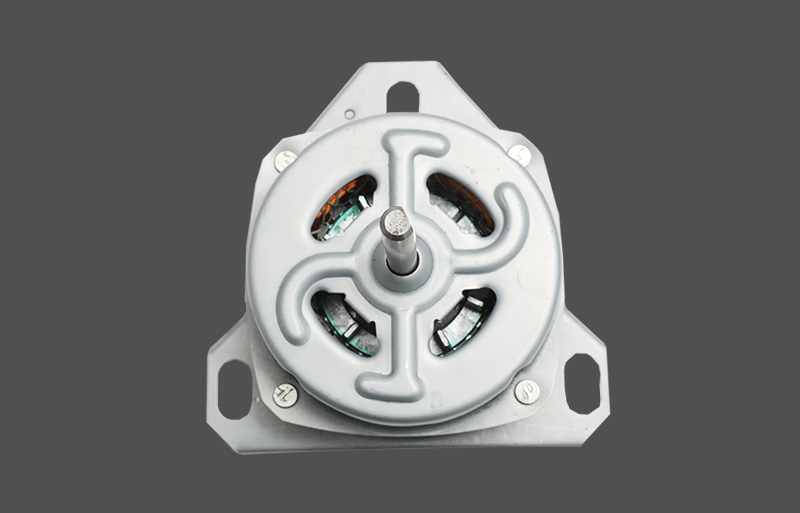
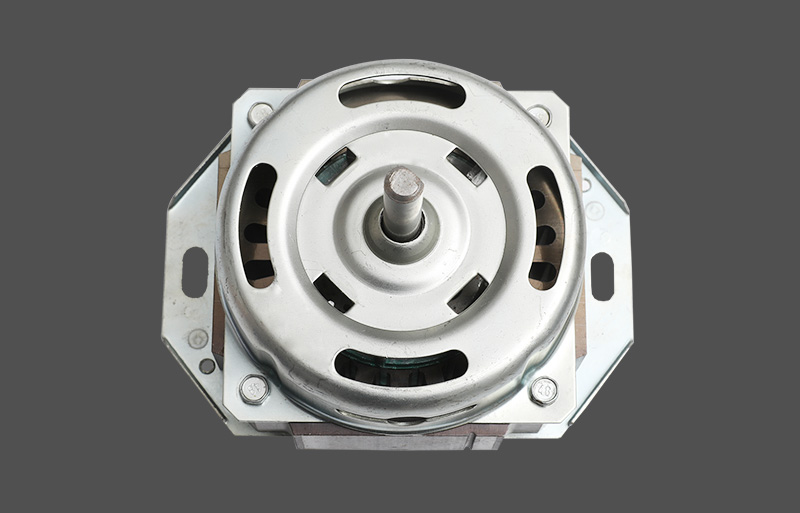
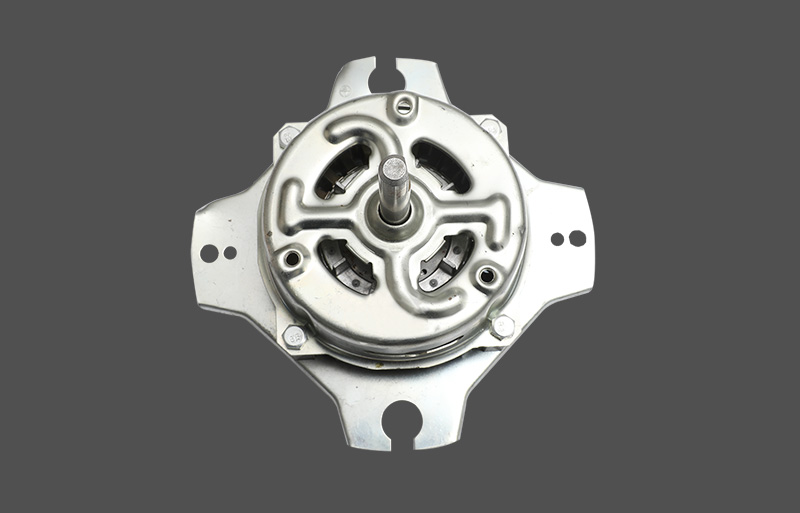
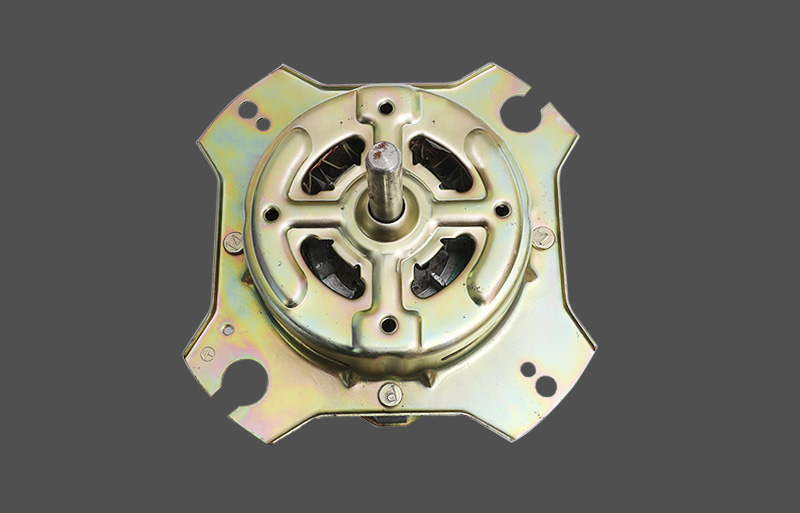
De staande ventilatormotor is het kernonderdeel van zowel huishoudelijke als commerciële fans. Tijdens bedrijf kan er sprake zijn van oververhitting, wat de levensduur van de motor en de operationele veiligheid kan beïnvloeden. Een goed ontworpen thermisch beschermingsmechanisme is essentieel voor stabiele prestaties en duurzaamheid. Dit artikel biedt een professioneel overzicht van de ontwerpprincipes, typen, mechanismen en toepassingen van thermische beveiliging in staande ventilatormotoren.
Belang van thermische bescherming
Motorwikkelingen kunnen tijdens langdurig gebruik of onder hoge belasting de veilige temperatuurlimieten overschrijden, wat kan leiden tot veroudering van de isolatie, schade aan de lagers en zelfs doorbranden van de motor. Oververhitting kan ook brandgevaar of elektrische veiligheidsrisico's met zich meebrengen. Thermische beveiligingsmechanismen bewaken de motortemperatuur in realtime en activeren indien nodig beschermende maatregelen, waardoor een betrouwbare werking wordt gegarandeerd. Bij staande ventilatoren beschermt de thermische beveiliging niet alleen de motor, maar verbetert ook de productkwaliteit en de gebruikerservaring.
Soorten thermische beschermingsmechanismen
Dermal protection in standing fan motors is generally categorized into mechanical and electronic types. Mechanical protection often uses bimetallic strips or thermal switches, which disconnect the circuit based on thermal expansion properties. Electronic protection employs temperature sensors or thermistors (NTC/PTC) to measure temperature, with control circuits determining whether to cut power or reduce load. Electronic protection offers faster response and higher accuracy, enabling multi-level temperature control and fault alarm functions. Mechanical protection is cost-effective and simple, commonly applied in low-power household fans.
Triggerprincipe van thermische bescherming
Dermal protection activation is based on temperature detection and threshold judgment. Mechanical switches use thermal expansion to open contacts and disconnect power. Electronic protection converts temperature readings into voltage or resistance signals, allowing control chips to determine whether the motor exceeds preset temperature thresholds. When excessive heat is detected, the system can immediately cut power, reduce speed, or implement intermittent operation. Designers must consider sensor placement, response time, and hysteresis to avoid false triggers and ensure reliable protection.
Belangrijke ontwerpparameters
Belangrijke parameters in het ontwerp van thermische beveiliging zijn temperatuurdrempels, responstijd, resetmethoden en installatielocatie. Drempelwaarden worden bepaald op basis van het nominale motorvermogen, de isolatieklasse en de gebruiksomgeving, doorgaans rond de 120℃ voor huishoudelijke ventilatormotoren. De responstijd heeft een directe invloed op de beschermingsefficiëntie; een snellere reactie voorkomt motorschade. Resetmethoden omvatten automatische en handmatige reset. Automatische reset past bij continu gebruik, terwijl handmatige reset de veiligheid bij risicovolle toepassingen vergroot. Sensoren moeten in de buurt van de kronkelende of hotspotgebieden worden geplaatst om kritische temperaturen nauwkeurig weer te geven.
Coördinatie met warmteafvoer
Dermal protection works best when combined with effective heat dissipation. Proper airflow design, installation of heat sinks, and blade arrangement reduce localized motor temperatures, improving protection accuracy. Good heat dissipation delays temperature rise, reducing frequent protective trips and extending motor lifespan. Thermal simulation can evaluate temperature distribution, ensuring the protection device functions at key hotspots.
Betrouwbaarheids- en levensduuroverwegingen
Dermal protection devices in standing fan motors must exhibit high reliability and long operational life. Mechanical switches should withstand multiple thermal cycles without failure, while electronic sensors require high precision and resistance to electrical interference. Selecting high-quality materials, optimizing contact structures, and implementing moisture and dust protection enhance reliability. A robust thermal protection system prevents motor burnout and accidents during long-term use, ensuring product safety.